
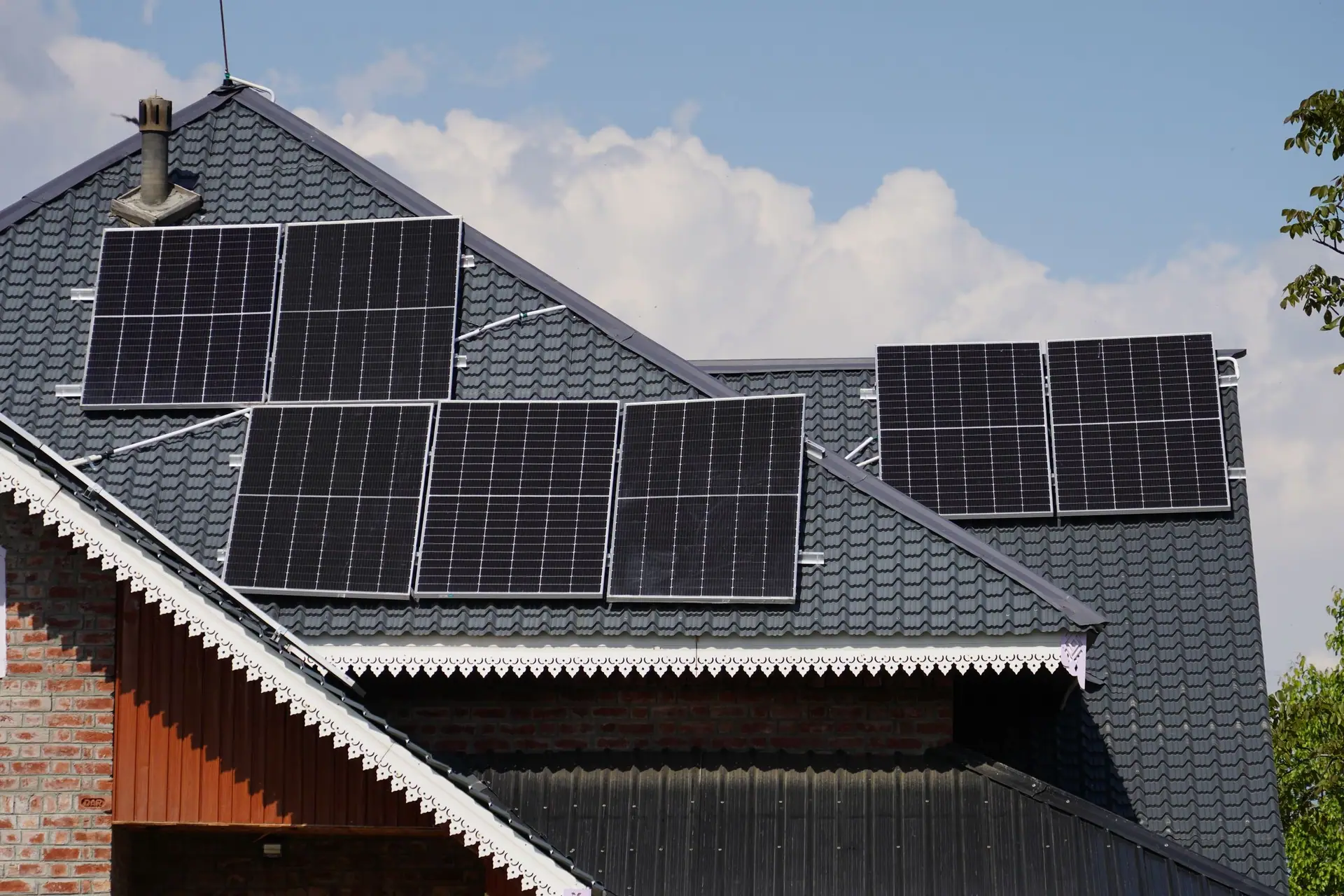
Choosing a solar system starts with one question: do you want backup when the grid goes down? Your answer largely decides between the three main system types.
On-grid systems
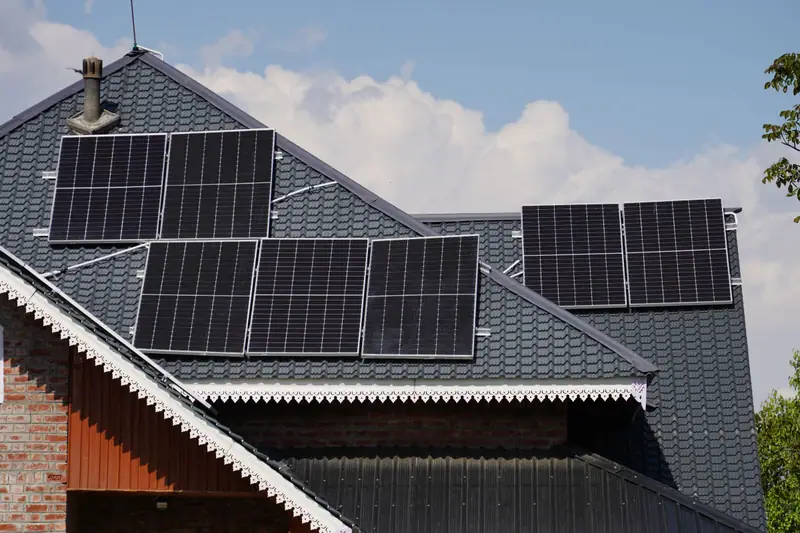
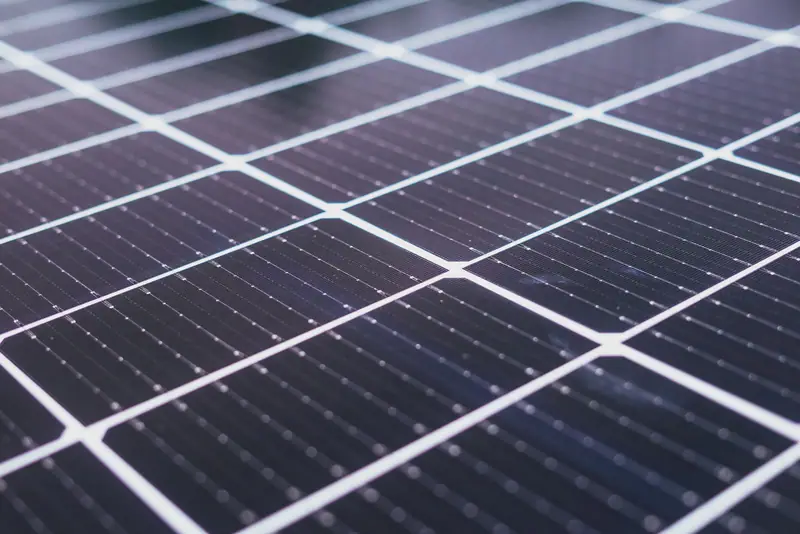
An on-grid (grid-tied) system connects your solar panels to the utility grid through an inverter. During the day, solar power supplies your loads and reduces the electricity you draw from the grid.
Most on-grid systems have no battery. For safety, a grid-tied inverter switches off when the grid fails, so an on-grid system on its own does not supply power during load-shedding.
Off-grid systems
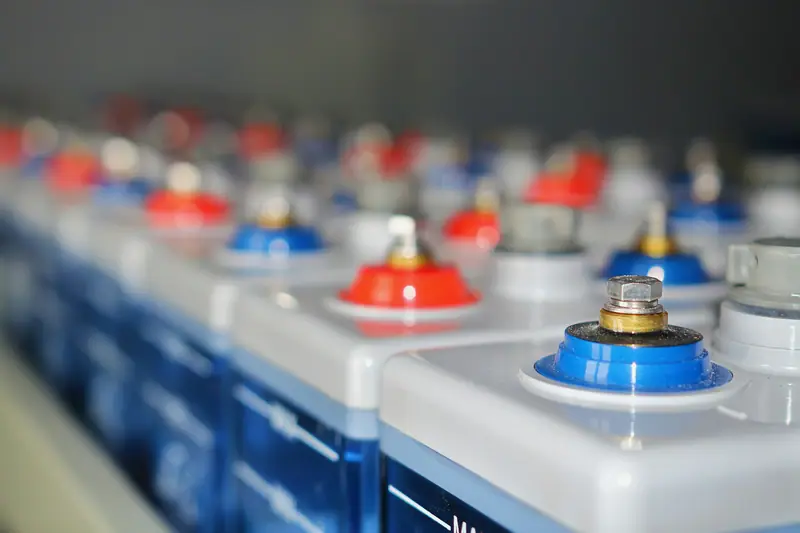
An off-grid system works independently of the utility grid. Solar panels charge a battery bank, and the inverter supplies your loads from the batteries. It suits locations without a reliable grid connection, but the batteries must be sized for your night-time and cloudy-day needs.
Hybrid systems
A hybrid system combines a grid connection with battery storage. Solar power runs your loads and charges the batteries; the grid fills any gap; and when the grid fails, the batteries keep selected loads running. For many homes and offices facing outages, this offers the most flexibility.
The right choice depends on your loads, how many hours of backup you need, the space you have for panels and your budget.
Quick comparison
| System | Battery | Power during outages |
|---|---|---|
| On-grid | Usually none | No |
| Off-grid | Yes | Yes, runs independently |
| Hybrid | Yes | Yes, for connected backup loads |
Next step
Not sure which suits your property? Request a quote with a list of the appliances you want to run, and our team will recommend a configuration.